
RORO BALLASTING & METHOD STATEMENTS
OPC provides RoRo ballasting analysis and engineering support for the loadout and discharge of heavy equipment, project cargo and offshore structures.

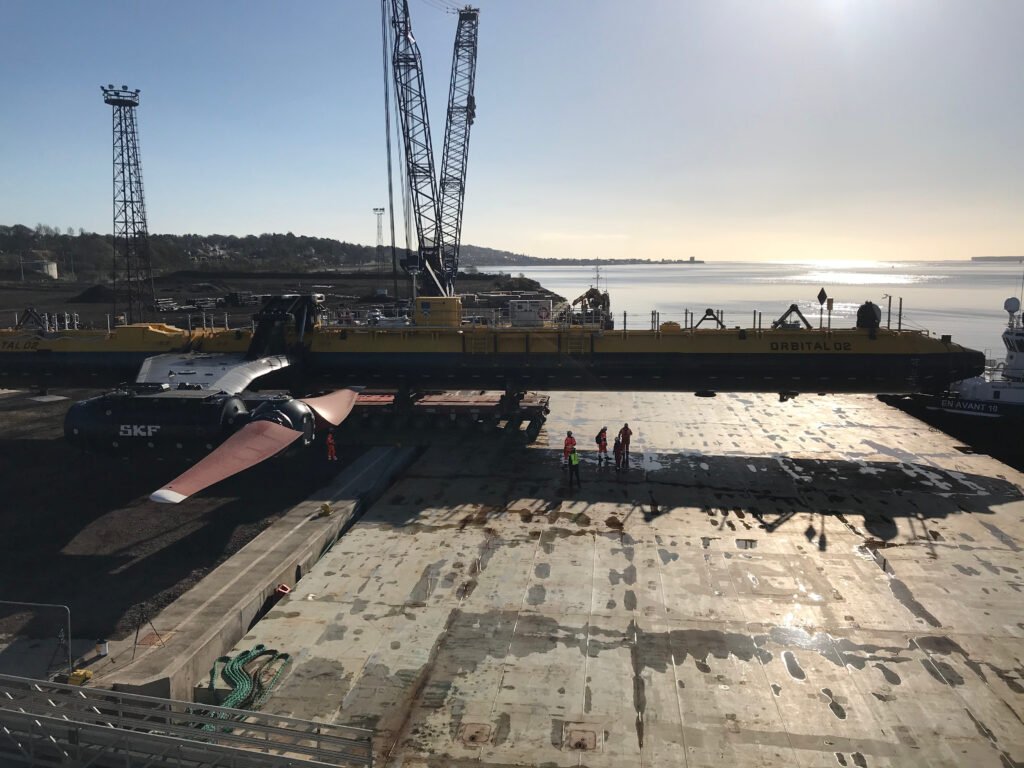
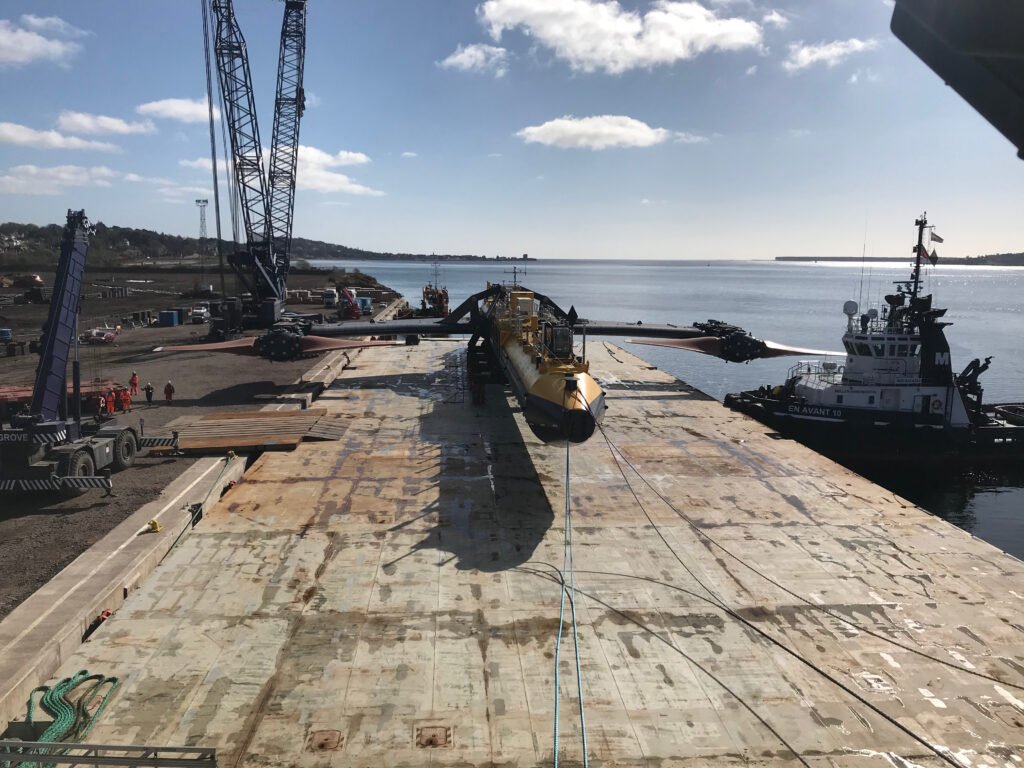
Our Capabilities
Ballasting calculations are developed to control vessel draft, trim, heel and stability throughout the operation, ensuring that ramp geometry, vessel attitude and allowable operating limits are maintained during each stage of the load transfer.
RoRo Ballasting Analysis
OPC can undertake RoRo engineering assessments including:
- Ballast planning and tank allocation
- Step-by-step ballast sequences
- Draft, trim and heel control
- Intact stability checks throughout the operation
- Ramp geometry and vessel attitude assessment
- Quayside and tidal level considerations
- Load transfer and axle load progression
- Assessment of limiting stages during loadout and discharge
Loadout & Discharge Engineering
RoRo operations can involve significant changes in vessel displacement, trim and heel as cargo moves between the quay and vessel.
OPC develops ballasting strategies that account for the movement of the cargo throughout the operation, allowing ballast transfer to be coordinated with the load transfer sequence and maintaining the vessel within defined operational limits.
The analysis can be integrated with transport engineering, deck strength checks, seafastening design and overall marine operation planning.
Method Statements
OPC can prepare detailed RoRo loadout and discharge method statements describing the sequence of the operation, ballast actions, hold points and operational controls.
Method statements generally include:
- Cargo and SPMT configuration
- Vessel and berth arrangement
- Tidal information
- Ballast sequence and timing, tank filling levels, sounding and ullage
- Pumping requirements, pump specification
- Draft, trim and stability limits
- Ramp and tidal criteria
- Communication and responsibilities
- Hold points and verification checks
- Contingency and abort criteria
Practical Engineering Approach
OPC combines naval architecture, stability analysis and practical marine operations experience to develop RoRo procedures that can be followed directly by the project team during execution.
Engineering assessments and method statements can be prepared in accordance with applicable project requirements and recognised marine operation standards, including DNV-ST-N001.