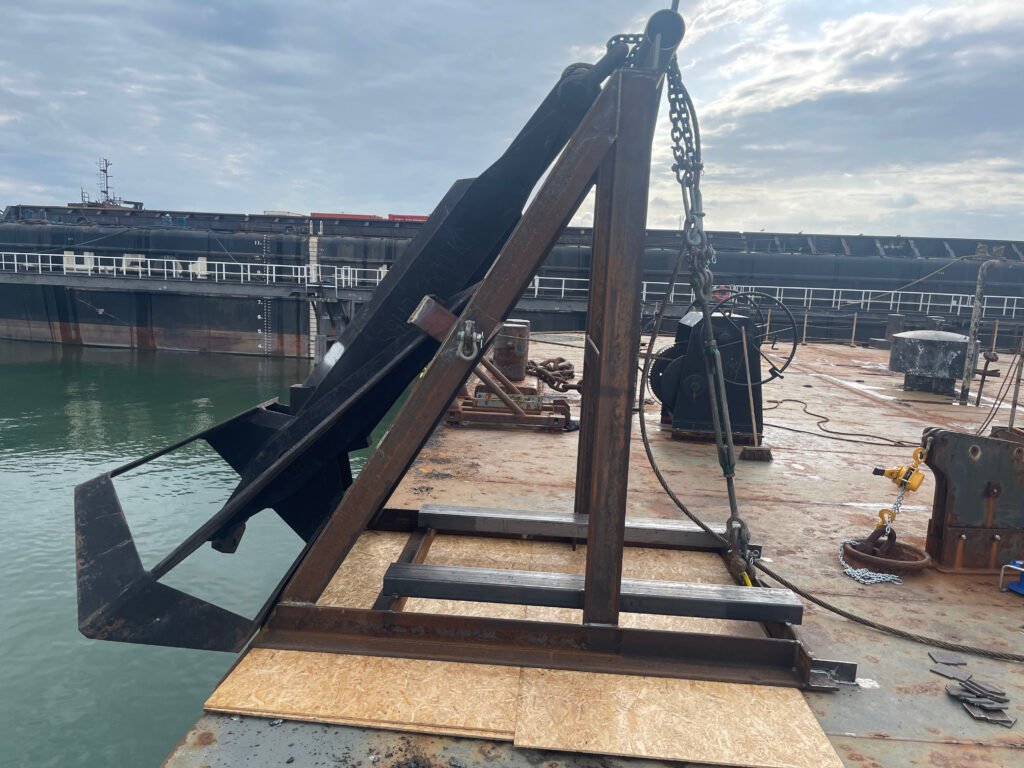
TOWING & OPERABILITY ANALYSIS
OPC provides towing analysis and operability assessments to support marine transportation, offshore construction and vessel relocation activities.
Engineering assessments are used to establish towing requirements, evaluate tug suitability and determine operational limits for a proposed tow. The analysis considers the characteristics of the towed vessel or structure together with the expected environmental conditions and intended route.

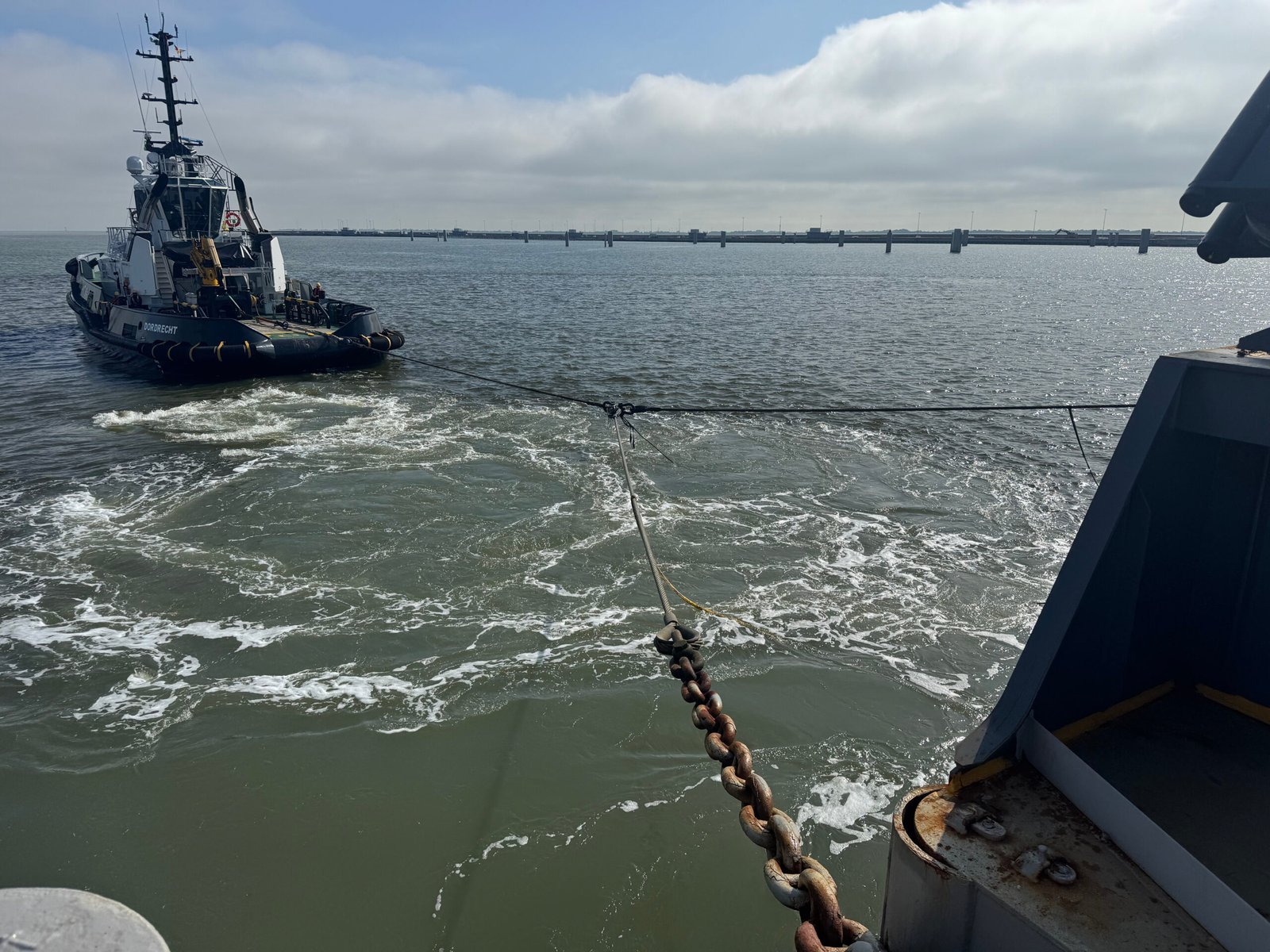
Our Capabilities
OPC can undertake towing assessments including:
- Tow resistance and required bollard pull
- Tug suitability and selection
- Towline tension assessment
- Towing arrangement and connection loads
- Assessment of wind, wave and current effects
- Route-specific environmental conditions
- Vessel or structure motions during tow
- Comparison of alternative towing configurations and operating conditions
Bollard pull calculations are used to confirm tug requirements, establish allowable environmental conditions, assess towline and connection loads and support the preparation of towing procedures and marine operation documentation.
Operability Assessment
Where operations are sensitive to environmental conditions, OPC can combine towing, seakeeping and environmental data to assess expected operability.
This can include evaluation of limiting sea states, wind and current conditions, route-specific weather criteria and the expected proportion of time that an operation can be undertaken within defined limits.
Practical Engineering Approach
OPC combines naval architecture, hydrodynamic analysis and practical marine operations experience to develop towing assessments that can be applied directly to project planning and offshore execution.
Assessments can be undertaken in accordance with applicable DNV requirements, including DNV-ST-N001 and DNV-RP-N103, together with project-specific and client requirements.